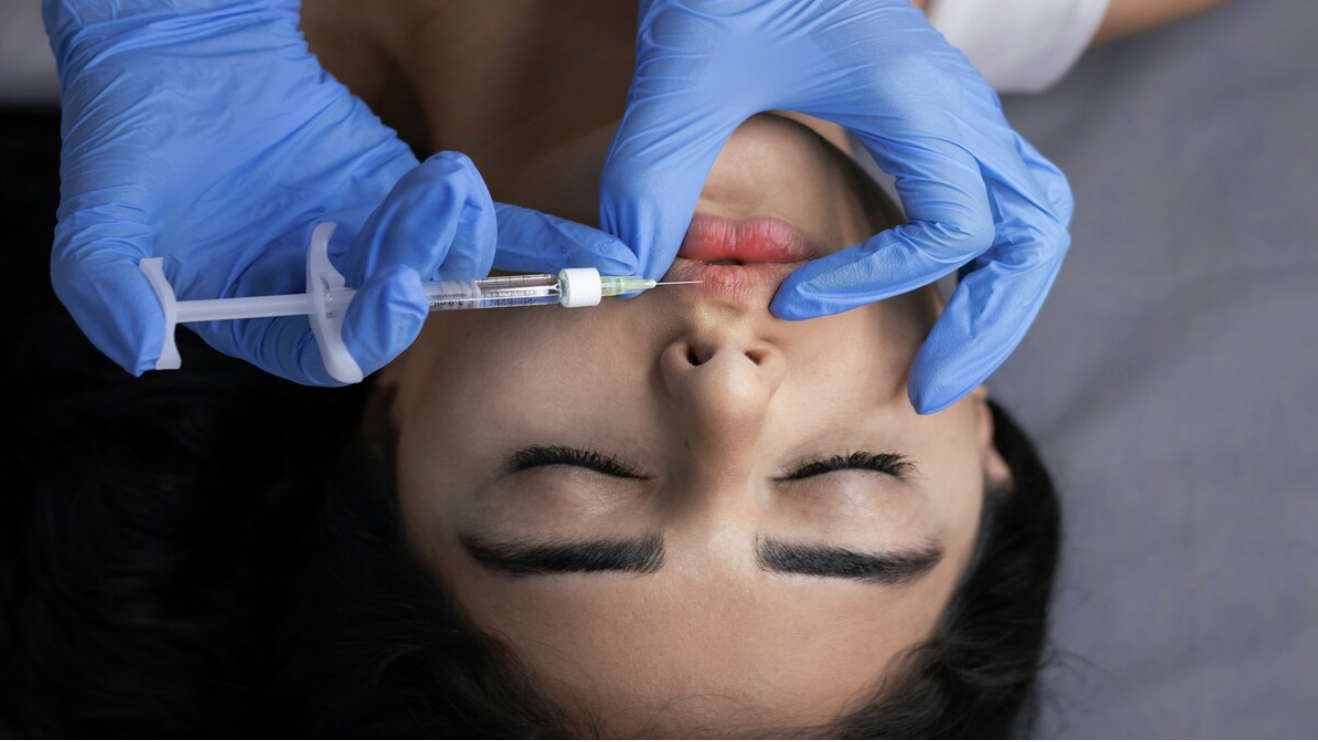
Good cosmetic aftercare protects the treated area, sets realistic expectations and helps you recognise when to ask for advice. Wrinkle reduction injections and dermal fillers require different recovery guidance, so I provide instructions based on your treatment and medical history.
Key takeaways
Follow the individual advice provided during your appointment.
Avoid rubbing, pressing or unnecessarily touching treated areas.
Temporary redness, tenderness, swelling or bruising can occur.
Botox and filler recovery timelines differ, so do not judge results too early.
Contact me if symptoms are worsening, unusual or concerning.
Why cosmetic treatment aftercare matters
Good post treatment care is about keeping injection sites clean, avoiding irritation and allowing temporary effects to settle.
Before treatment, I take a medical history, assess suitability and explain potential risks. The NHS advises patients to ask what aftercare they can expect, how long recovery may take and what to do if something goes wrong.
You can learn more about my wrinkle reduction injections and hyaluronic acid dermal fillers before considering treatment.
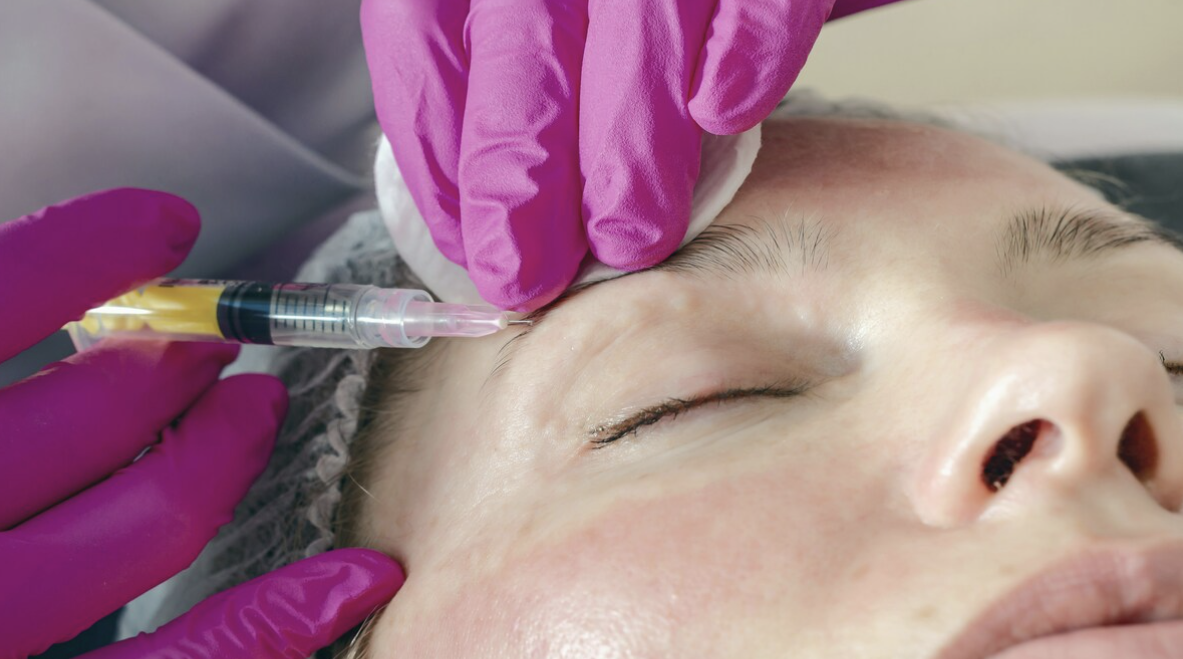
What to do during the first 24 hours
Keep the area clean
Wash gently with clean hands and avoid unnecessary contact. I currently advise patients not to apply make-up for 12 hours after facial injectable treatment, unless I give different instructions.
Avoid pressure and rubbing
Do not rub, massage or press the area unless instructed. Take care with anything that could place pressure on the treatment site.
Allow for visible temporary effects
Most people can continue with ordinary activities, but pinprick marks, redness, swelling or bruising may be visible for a short time. Individual healing after cosmetic procedures varies.
Botox aftercare and recovery after Botox
Botox is a brand name commonly associated with botulinum toxin injections used to reduce muscle activity linked with expression lines.
The first few hours
For Botox aftercare, I advise avoiding vigorous exercise, lying down, leaning forwards and extremes of heat or cold for four to six hours. Avoid rubbing or pressure and follow any additional advice given.
ACE UK advises avoiding strenuous exercise and excessive sweating for 24 hours, temperature extremes on the day of treatment and facial massage for at least 24 hours, or as directed. See its anti-wrinkle injection guidance.
When results develop
Recovery after Botox is usually straightforward, but the effect is not immediate. Improvement may begin within two or three days, while the result is better assessed at around two to three weeks. Mild redness, swelling, pinprick marks or bruising may occur.
For patients seeking Botox aftercare in North Devon, I provide treatment-specific guidance and encourage you to contact me if an effect feels unexpected.
Dermal filler aftercare and recovery
Dermal fillers used at my clinic are made from hyaluronic acid. They may restore volume, soften facial folds, define lips or support facial contouring in suitable patients. Redness, tenderness, swelling and bruising can occur.
Managing swelling after fillers
Swelling after fillers may be more noticeable the next morning, particularly after lip treatment. Recovery after fillers varies, but swelling should generally begin settling over the following days.
A clean cool pad may help if swelling persists, but do not apply ice directly to the skin or press firmly. Avoid vigorous exercise and extremes of temperature until the initial swelling has settled.
Early swelling can make the area look uneven or feel firmer. I usually assess the final result at around two weeks.
Managing bruising after fillers
Bruising after fillers may be immediate or develop later. Do not stop aspirin, anticoagulants or prescribed medicine without speaking to the clinician who prescribed it. Tell me about all medicines and supplements.
Skincare and make-up
Keep skincare gentle and avoid strong active products over fresh injection sites. Do not apply make-up for 12 hours unless advised otherwise. Avoid rubbing, massage, saunas, swimming pools and sunbeds while redness or swelling remains. ACE UK notes that evidence for some common restrictions is limited, so personalised advice matters.
For dermal filler aftercare in Devon, my guidance is based on your treatment area and response, not a generic checklist.
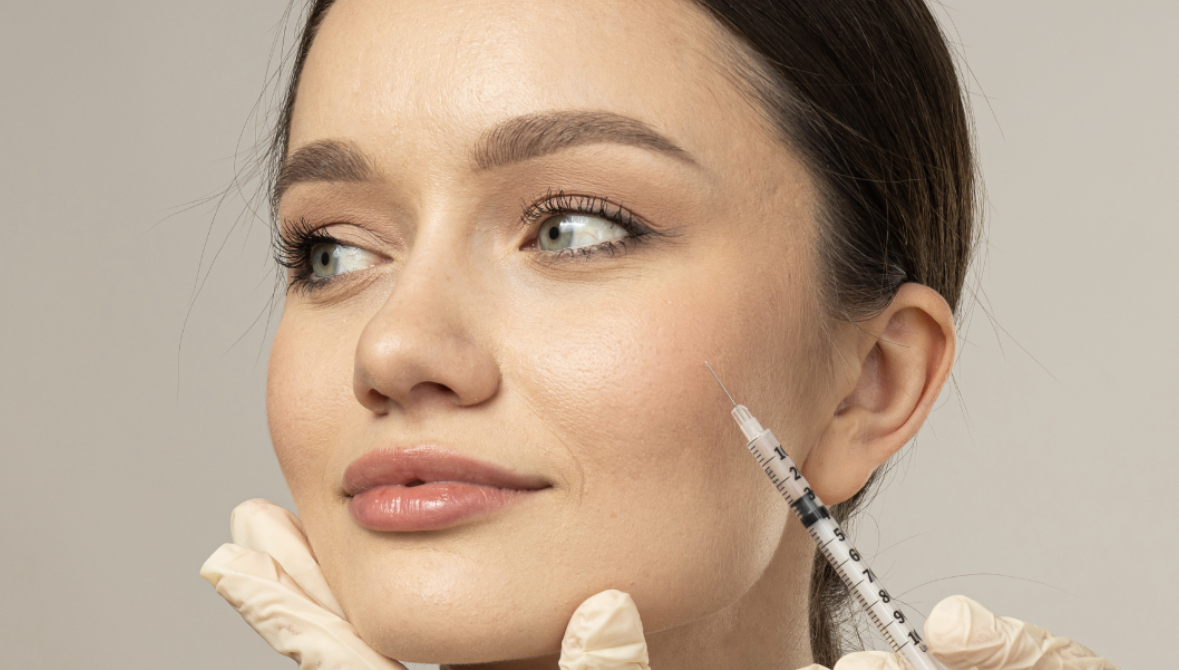
What should you avoid after Botox or fillers?
The restrictions and timeframes are not identical. Depending on your procedure, you may need to avoid:
vigorous exercise and heavy sweating
saunas, sunbeds and excessive heat
rubbing, massage or pressure
make-up over fresh injection sites
facial or skincare treatments too soon
Alcohol may make swelling or bruising more noticeable, so I may advise avoiding it around treatment. Never change prescribed medication to prepare for, or recover from, cosmetic injections without medical advice.
When to contact me
Contact me if pain, redness, heat, tenderness or swelling is increasing, or if you notice a lump or skin colour change. Significant pain after filler, particularly with pale, dusky or irregularly coloured skin, needs urgent assessment because it may indicate reduced blood supply.
After having botulinum toxin treatment, difficulty breathing, swallowing or speaking, slurred speech, severe eyelid drooping or muscle weakness requires immediate medical help.
The MHRA states that these rare symptoms can occur up to four weeks after treatment. Read the current MHRA safety advice.
Doctor-led aesthetic aftercare in North Devon
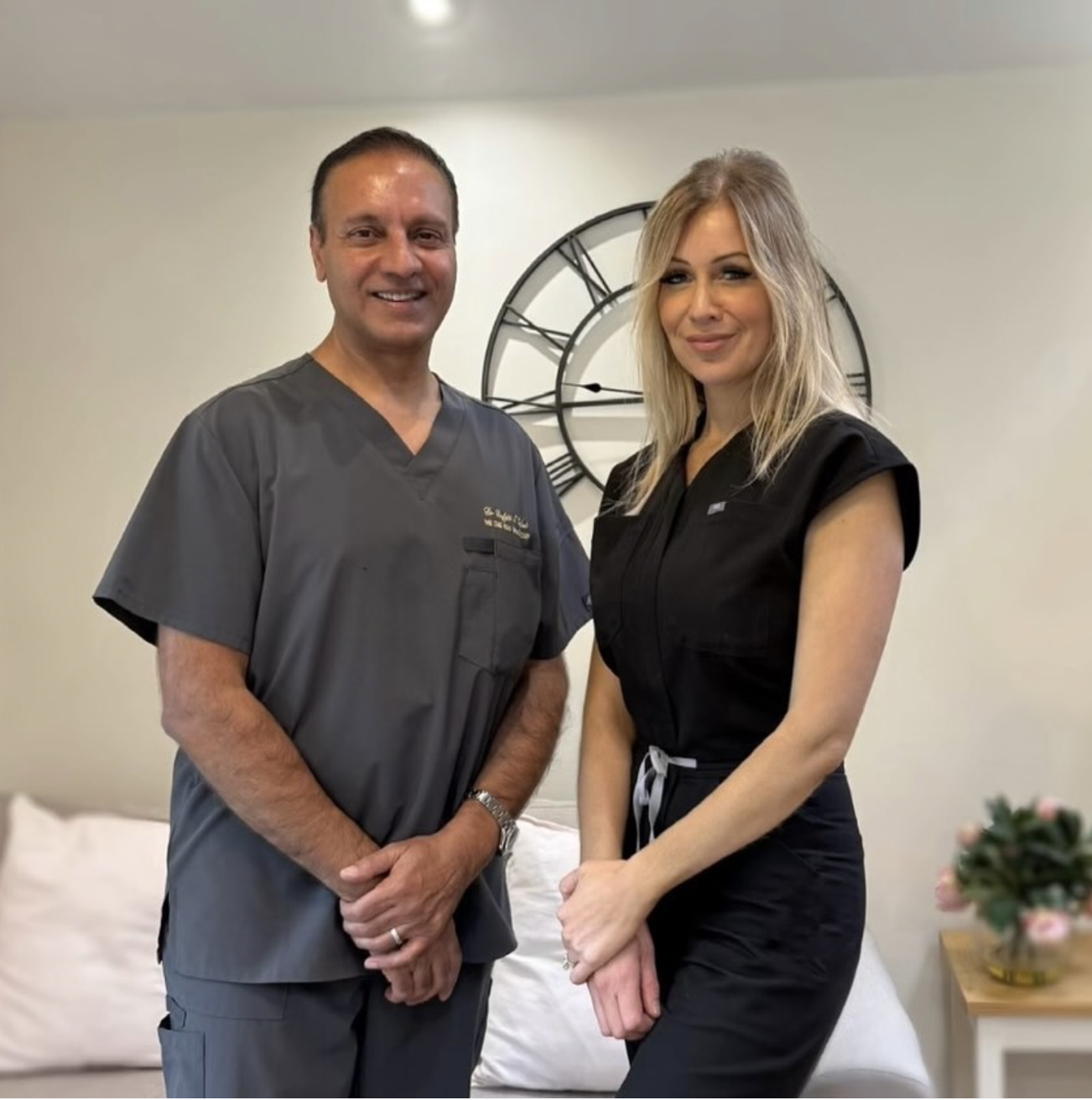
Every consultation and treatment at Revive Cosmetic Treatments is carried out personally by me. I assess your medical history, explain what to expect and provide personalised aesthetic aftercare, with safety and individual needs central to the plan. You can learn more about Dr Baljit Kalsi and my doctor-led cosmetic clinic in North Devon.
Good injectable aftercare should leave you informed, not anxious. Follow my instructions, allow time for aesthetic recovery and ask about anything that concerns you. To discuss suitability or an aftercare concern, contact Revive Cosmetic Treatments.
Frequently asked questions
What should you do after cosmetic injections?
Keep the area clean, avoid rubbing or pressure and follow treatment-specific instructions. Allow for temporary redness, swelling or bruising and contact the clinic if symptoms worsen.
How do you care for your skin after fillers?
Wash gently with clean hands, avoid strong products over fresh injection sites and do not massage the area unless instructed. At my clinic, make-up is generally avoided for 12 hours.
What is the recovery time after cosmetic procedures?
It depends on the procedure and the individual. Many people resume normal activities quickly, but swelling or bruising after fillers may take several days to settle. Botox results develop gradually and are assessed later.
How long do swelling and bruising last after dermal fillers?
Swelling often starts settling within the first few days, although lip swelling may be more noticeable. Bruising can last longer and occasionally remains visible for up to two weeks. Contact me if symptoms worsen rather than improve.
When should I contact the clinic after Botox or filler treatment?
Contact me if you have unexpected or increasing pain, redness, heat, swelling, skin colour changes or other concerning symptoms. Seek emergency help for breathing, swallowing or speech difficulties after botulinum toxin treatment.